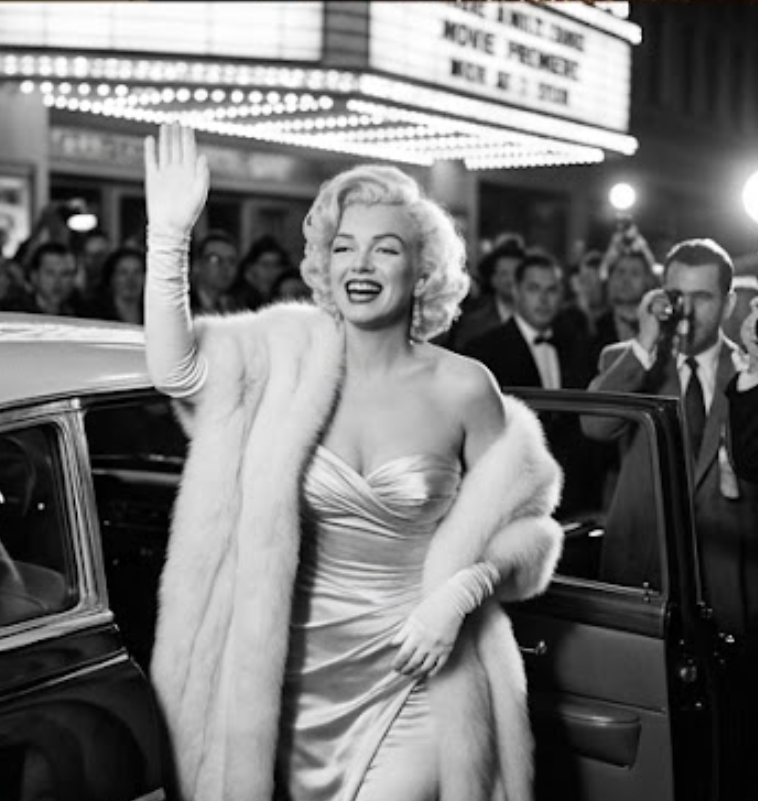
 Back in 1953, the late Marilyn Monroe famously sang that “diamonds are a girl’s best friend”. We all know that a best friend is an essential part of anybody’s life, so maybe a diamond in your life is just as important? However, as anyone who has ever tried to buy or sell diamonds knows, while they can be your best friend, they are also incredibly complex, and each can be just as unique as the characteristics of each of your friends.
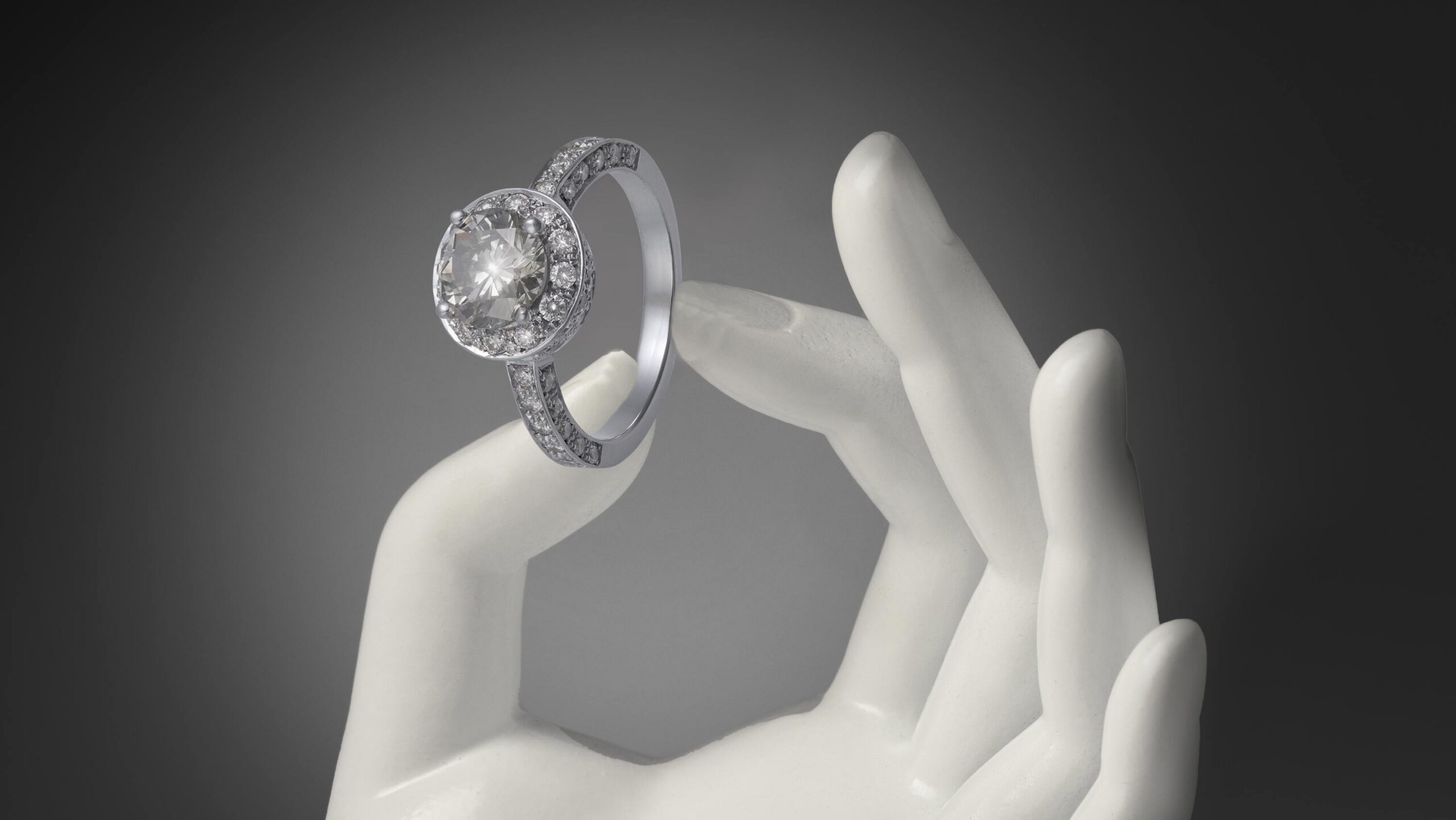
Most of the value in diamond jewelry resides in the diamond itself. Yet, evaluating these gemstones is not exactly as straightforward as it may seem. There are so many considerations that must be made. These tiny differences, often completely invisible to the naked eye, can cause the price of two seemingly identical diamonds to differ by thousands of dollars. These differences reinforce the concept that what you see on the outside might not always be what exists within a person or diamond!
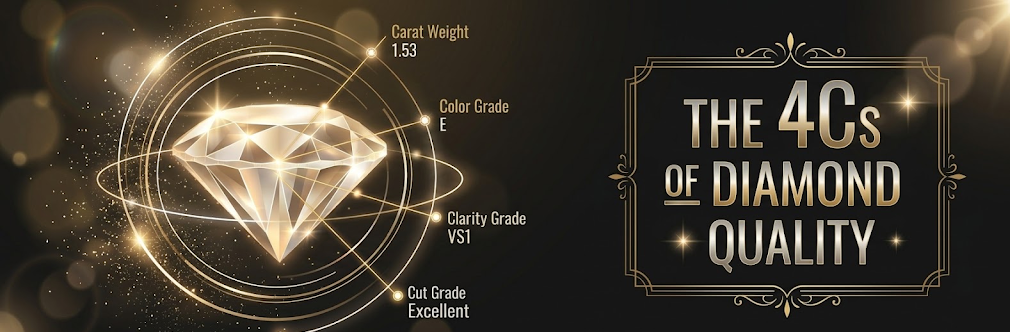
To help you navigate this complex world, we are breaking down the diamond grading system into an easy-to-understand 5-part series. We’ll start with the foundational 4 C’s: Carat, Cut, Clarity, and Color.
We will begin today with one of the most frequently misunderstood concepts of all: the difference between Cut and Shape.
The Great Confusion: Cut vs. Shape
When shopping for an engagement ring or a diamond pendant, people often use the word “cut” to describe the diamond’s silhouette. They might say, “I love a pear-cut diamond” or “an emerald-cut diamond.”
In the gemological world, however, Shape and Cut are two entirely different things:
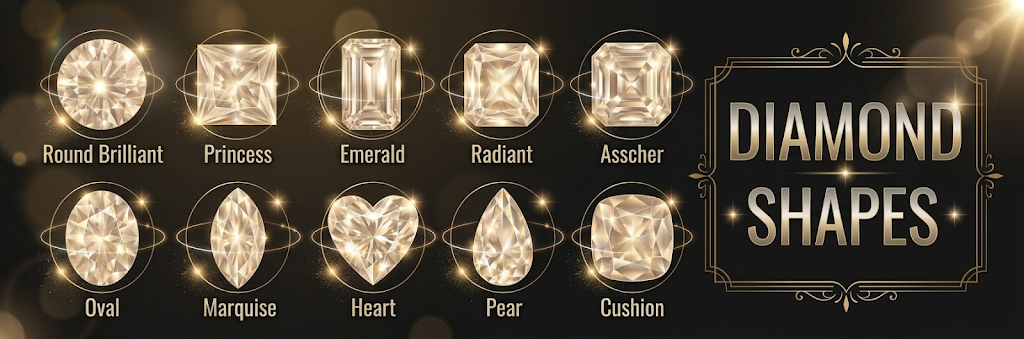
- Shape (Style): This refers to the actual geometric silhouette or style of the diamond when viewed from the top. Examples include Round Brilliant, Princess, Emerald, Radiant, Asscher, Oval, Marquise, Heart, Pear, and Cushion. While shape is crucial for personal style, it does not reflect a diamond’s intrinsic market value as heavily as the 4 C’s.
- Cut: This refers specifically to the diamond’s reflective qualities and how its facets are engineered to manipulate light. It is the physical craftsmanship of the stone, determining how much light bounces back to your eye instead of escaping through the sides or bottom.
To put it simply: Shape is the design style you choose, and cut is how brilliantly that style sparkles. For example, the shape of dress Marilyn would wear could be a white halter dress, and the cut would be the addition or omission of sequins to enhance the brilliance of the dress.
The Physics of Sparkle: How “Cut” Works
The ultimate goal of a master diamond cutter is to maximize a quality known as brilliance. Brilliance is defined as the amount of white light reflected back when light enters the stone.
When a diamond is certified by a professional laboratory, its cut is graded on a strict scale based on these exact reflective capabilities:
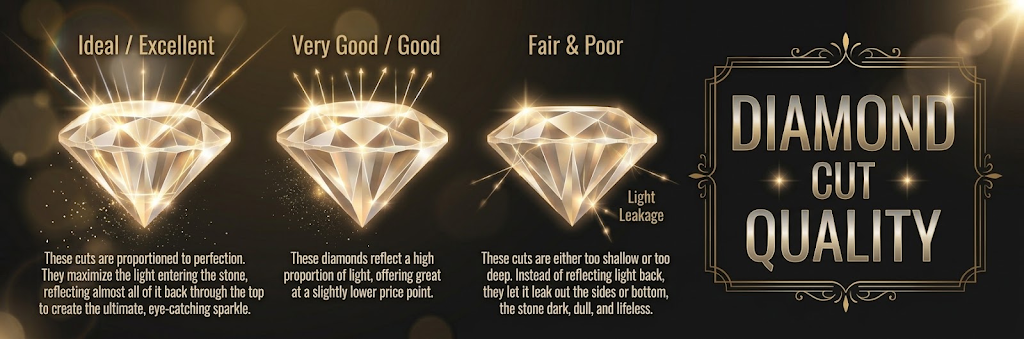
A diamond can have perfect color and clarity, but if the cut is poor, it will lack that signature fiery brilliance.
Shape: Expressing Your Personal Style
While the cut determines light performance, shape is where you get to show off your personality. Because shapes have different proportions, they distribute their weight differently.
For example, a one-carat heart-shaped diamond weighs exactly the same as a one-carat round diamond (standardized at 0.2 grams), but they will not look the exact same size on your hand! Some shapes, like the Marquise or Oval, have a larger surface area that makes them appear larger than a round diamond of the same carat weight.
Here are the most popular shapes you’ll encounter on the market:
- Round Brilliant: The classic standard, engineered to offer the maximum possible light reflection.
- Princess & Cushion: Modern, square-to-rectangular designs with brilliant facet arrangements.
- Emerald & Asscher: “Step-cut” shapes featuring long, parallel facets that look like a hall of mirrors.
- Marquise, Pear, & Oval: Elongated shapes that flatter the finger and maximize visual surface area.
- Heart: The ultimate symbol of romance, requiring incredible cutting precision.
Why Professional Evaluation Matters
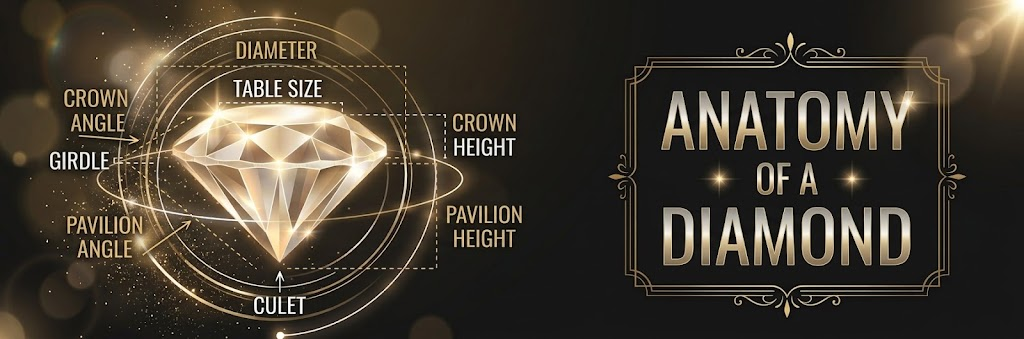
Because the nuances of a diamond’s cut, such as the table size, crown angle, girdle thickness, or pavilion depth are impossible to recognize with an untrained eye, having a certified professional evaluate the stone is absolutely critical. A slight variation in facet angles can dramatically swing the value of a piece.
If you are planning to sell any diamond jewelry just sitting in a drawer, you don’t have to guess what it’s worth. At Seattle Gold, our evaluation process is completely transparent and designed to walk you through exactly how your diamonds are assessed.
When we evaluate diamond jewelry, we follow a precise, tier-based process based on the 4 C’s of diamonds (cut, carat, clarity, color). Our experienced diamond specialists are available Monday through Friday to evaluate your jewelry right in front of you.
Ready to uncover the true value of your jewelry? Visit Seattle Gold or call us at (206) 517-4653 to speak with a diamond expert today!
In Part 2 of our series, we’ll dive into the fascinating history of the Carat and explain how a tiny ancient seed became the global weight standard for the world’s most precious gemstones!